Samar State University

College of Engineering

This is the official webpage of the Samar State University-College of Engineering

COENG Seal

The seal symbolizes the goal and objectives of the College of Engineering. The book being the core represents the values and knowledge of learning in engineering education. The flame serves as light to the path of endeavor, represented by the white shadow, of the four engineering programs from the year of its existence in 1983 to present. The bridge and buildings represent the BS in Civil Engineering, the transmission and sub-station lines represent the BS in Electrical Engineering, the parabolic dish represents the BS in Electronics and Communications Engineering and the computer set represents the Computer Engineering. The aqua blue part symbolizes SSU as the nucleus of learning in engineering fields in Samar Province, represented by green colored map. Engineer being the master of the laws of nature defines aqua blue, green and white color parts of the seal as water, land and air, respectively. The laurel leaves represent the college academic performance and quest for excellence. The yellow rays stand for hope and challenge for a more competitive and better college locally and globally. The red wheel symbolizes the college, with the gears that represent a continuous quest for excellence in engineering education.

COENG Goal

The College of Engineering aims to develop engineers who are aware of their role as frontline technocrats in technological advancement and nation-building, equipped with the necessary knowledge, expertise, and values and prepared to face the challenges in the practice of the engineering profession, locally and globally.

Bachelor of Science in Electronics Engineering (BSECE)

The Bachelor of Science in Electronics Engineering (BSECE) is a four-year program that focuses on the design, development, and application of electronic and communication systems. It covers key areas such as circuit design, embedded systems, telecommunications, signal processing, and automation. The program equips students with analytical, technical, and problem-solving skills for careers in electronics, semiconductors, and telecommunications industries.

Bachelor of Science in Computer Engineering (BSCpE)

The Bachelor of Science in Computer Engineering (BSCpE) is a four-year program that integrates principles of electrical engineering and computer science to design, develop, and optimize computing systems. It covers hardware and software development, embedded systems, networking, cybersecurity, and artificial intelligence. The program equips students with problem-solving and technical skills for careers in software development, hardware design, robotics, and IT infrastructure. Graduates can work as computer engineers, network administrators, embedded systems developers, or cybersecurity specialists.

Bachelor of Science in Civil Engineering (BSCE)

The Bachelor of Science in Civil Engineering (BSCE) is a four-year program that focuses on the planning, design, construction, and maintenance of infrastructure such as buildings, roads, bridges, and water systems. It covers structural, geotechnical, transportation, environmental, and construction engineering. The program equips students with problem-solving, technical, and management skills essential for sustainable and resilient infrastructure development.

Bachelor of Science in Electrical Engineering (BSEE)

The Bachelor of Science in Electrical Engineering (BSEE) is a four-year program that focuses on the study, design, and application of electrical systems, power generation, automation, and electronics. It covers key areas such as power systems, renewable energy, control systems, and electrical circuit analysis. The program develops technical and analytical skills essential for industries like power distribution, telecommunications, and manufacturing. 

College Administration

About the Dean

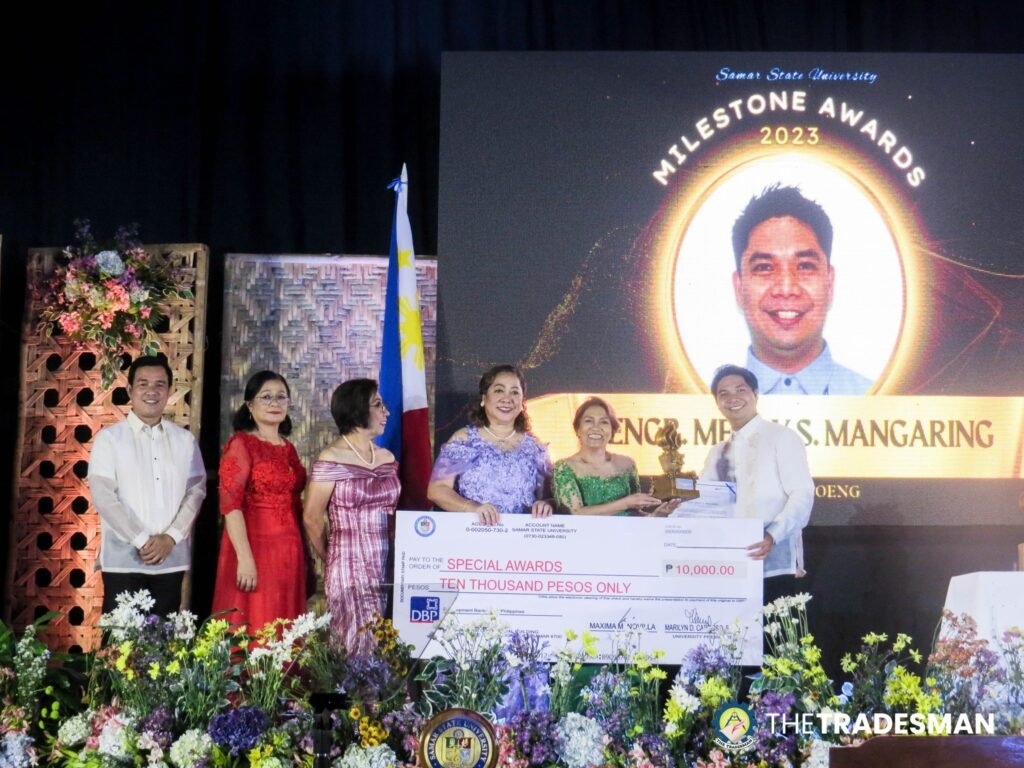
Meddy S. Mangaring, REE, MEng.

Serves as the Dean of the College of Engineering at Samar State University, bringing over 12 years of academic and administrative experience. His leadership is dedicated to advancing the university’s vision through excellence in engineering education, research, and innovation.

Throughout his career, he has demonstrated expertise in academic management, procurement processes, records management, budget preparation, and facilities coordination, ensuring compliance with institutional and government regulations. As a member of the Bid and Award Committee, he has strengthened his proficiency in regulatory standards and procurement practices.

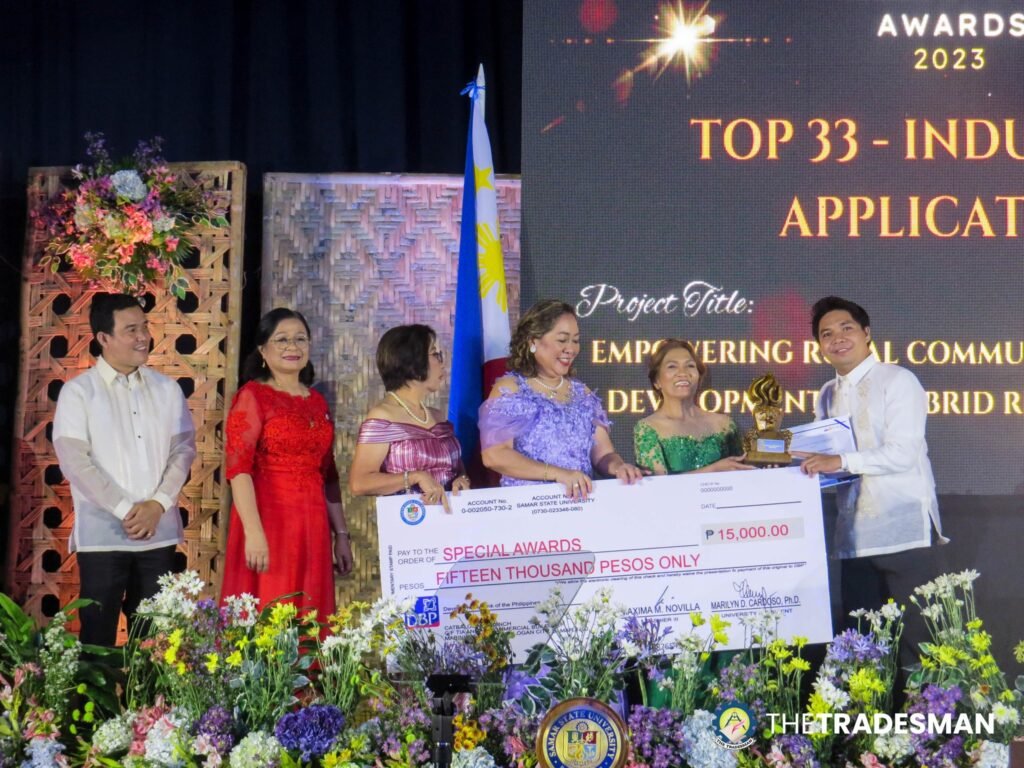
His commitment to innovation has earned global recognition, notably as Project Leader for initiatives ranked Global 43rd (Design and Generation of Hybrid Alternative Energy Source for Remote and Rural Areas) and Global 33rd (Empowering Rural Community Through the Development of Hybrid Renewable Energy) in the World University Rankings for Innovation 2022. These projects have significantly contributed to addressing critical energy challenges in underserved communities.

Under his leadership, the College of Engineering has achieved significant milestones in academic excellence and institutional development. His contributions to curriculum assessment and program enhancement are reflected in his work as the Academic Program Assessment Evaluation and Continuous Quality Improvement author, aligning education with Outcomes-Based Education (OBE) and Continuous Quality Improvement (CQI) principles.

His academic and institutional excellence dedication has been recognized through awards such as Best Academic Manager (2023) and Outstanding in Extension (2019).

He holds a Master’s in Electrical Engineering and is a Registered Electrical Engineer. With extensive experience in research and development, program evaluation, and leadership training, he remains committed to fostering innovation and excellence in engineering education at Samar State University.

Organizational Chart

Continuous Quality Improvement

PROGRAM ASSESSMENT, EVALUATION, AND CONTINUOUS QUALITY IMPROVEMENT PLAN

For the programs:

Bachelor of Science In Civil Engineering
Bachelor of Science in Computer Engineering
Bachelor of Science in Electrical Engineering
Bachelor of Science in Electronics Engineering

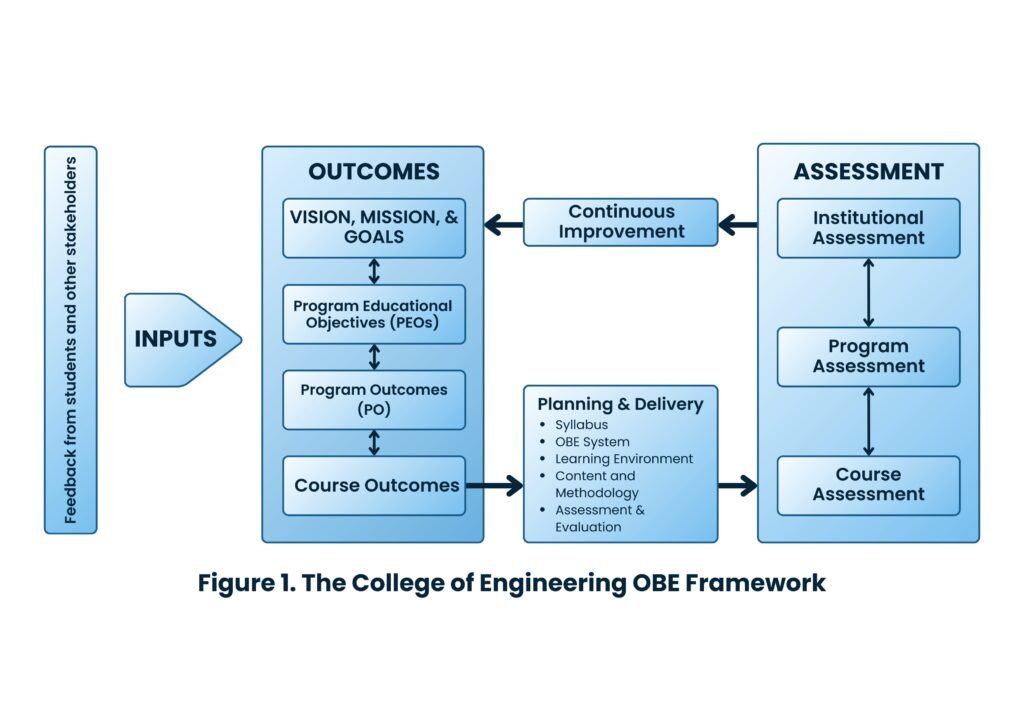
COENG OBE FRAMEWORK

Assessment and Evaluation Plan of the Program Educational Objectives (PEOs)

The College of Engineering administers PEOs assessment instruments for all its Engineering program offerings on a four-year cycle. The program uses the university assessment process to plan, identify, assess, analyze, and make programmatic improvements based on their assessment data. The Engineering programs’ assessment is an ongoing process and seeks input from all stakeholders to continuously make program improvements. At the end of every assessment cycle, the Engineering assessment plan, findings, and continuous improvement plan are submitted to the Office of Quality Assurance and Office of the Vice-President for Academic Affairs for evaluation. The Vice-President for Academic Affairs, through the Office of Quality Assurance, reviews the workspace to see if the program outcomes are measurable and aligned with the university’s mission and vision as well as if College goals, targets, and benchmarks were met and attainable. This OBE framework is the assessment process that the Engineering programs use to examine program educational objectives and graduate outcomes.

Research & Extension

Achievement & Awards

News & Updates

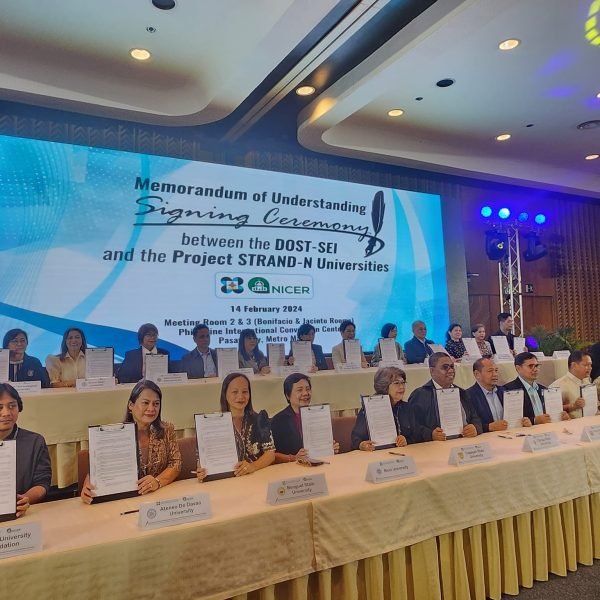
SSU Joins project STRAND-N Universities, Inks MOU with DOST

SSU Joins project STRAND-N Universities, Inks MOU with DOST

Feb 15, 2024 2 min read

PICC, PASAY CITY, MANILA—As new member University of the Science and Technology Regional Alliance of Universities for National Development (STRAND-N), specifically N2, Samar State University (SSU) joins other Universities in a Ceremonial Signing of the Memorandum of Understanding  (MOU) with…

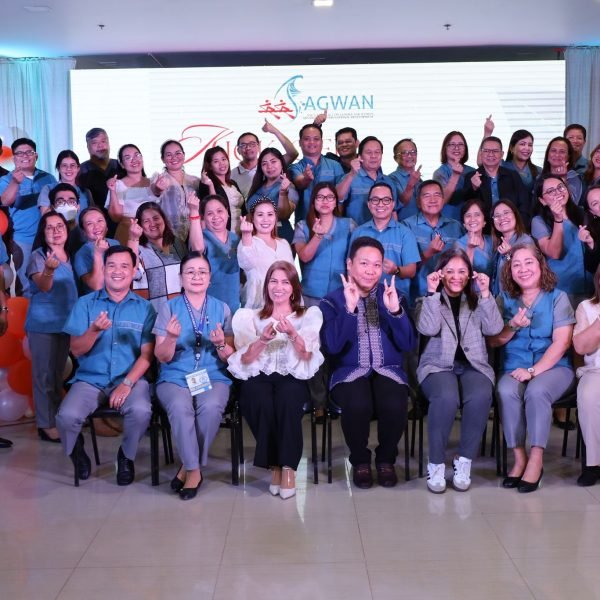
Forward Together: SAGWAN Initiative Paddles for Gender Mainstreaming in Academia

Forward Together: SAGWAN Initiative Paddles for Gender Mainstreaming in Academia

Arianne Rose Tafalla-Salcedo Jan 18, 2024 2 min read

Written by Joan J. Baclay CATBALOGAN CITY – The Samar State University (SSU) Gender and Development (GAD) Unit, now known as SAGWAN (SSU’s Advocacy on Gender and Women Advancement for…
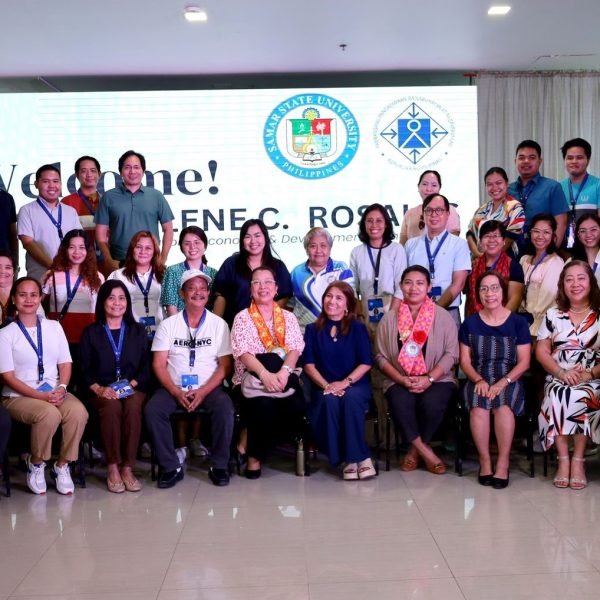
Exploring Collaborative Frontiers: NEDA Engages with SSU on Eastern Visayas RDP 2023-2028 Stakeholders’ Knowledge Caravan

Exploring Collaborative Frontiers: NEDA Engages with SSU on Eastern Visayas RDP 2023-2028 Stakeholders’ Knowledge Caravan

Arianne Rose Tafalla-Salcedo Jan 18, 2024 1 min read

Written by Joan J. Baclay CATBALOGAN CITY – The National Economic and Development Authority (NEDA) Regional Office 8, headed by Regional Director Meylene C. Rosales embarked on a significant endeavor…
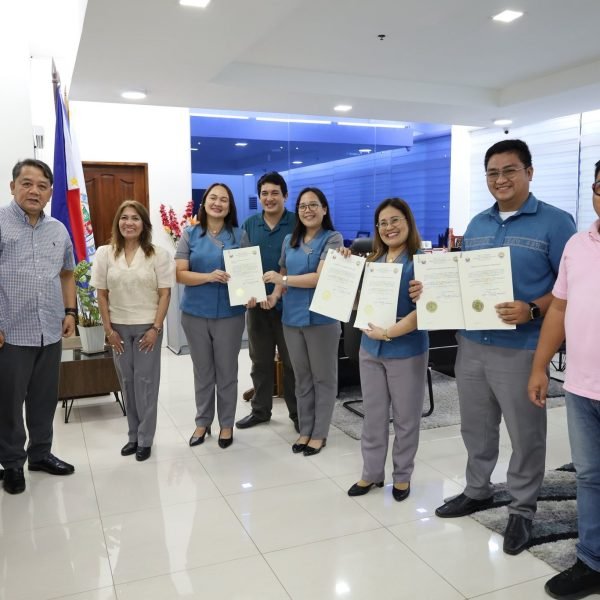
CHED RO8 Grants COPC to Five SSU Programs

CHED RO8 Grants COPC to Five SSU Programs

Arianne Rose Tafalla-Salcedo Jan 11, 2024 2 min read

Written by Joan J. Baclay CATBALOGAN CITY –  In a notable ceremony held at the Office of the University President, SSU-Main Campus in Catbalogan City, Samar, the Commission on Higher…

SSU Empowers Research Community through Virtual Research Ethics Training

SSU Empowers Research Community through Virtual Research Ethics Training

Arianne Rose Tafalla-Salcedo Jan 11, 2024 2 min read

Written by Joan J. Baclay CATBALOGAN CITY –  In a proactive move towards fostering ethical research practices, Samar State University (SSU) conducted a two-day virtual Research Ethics Training aimed at…